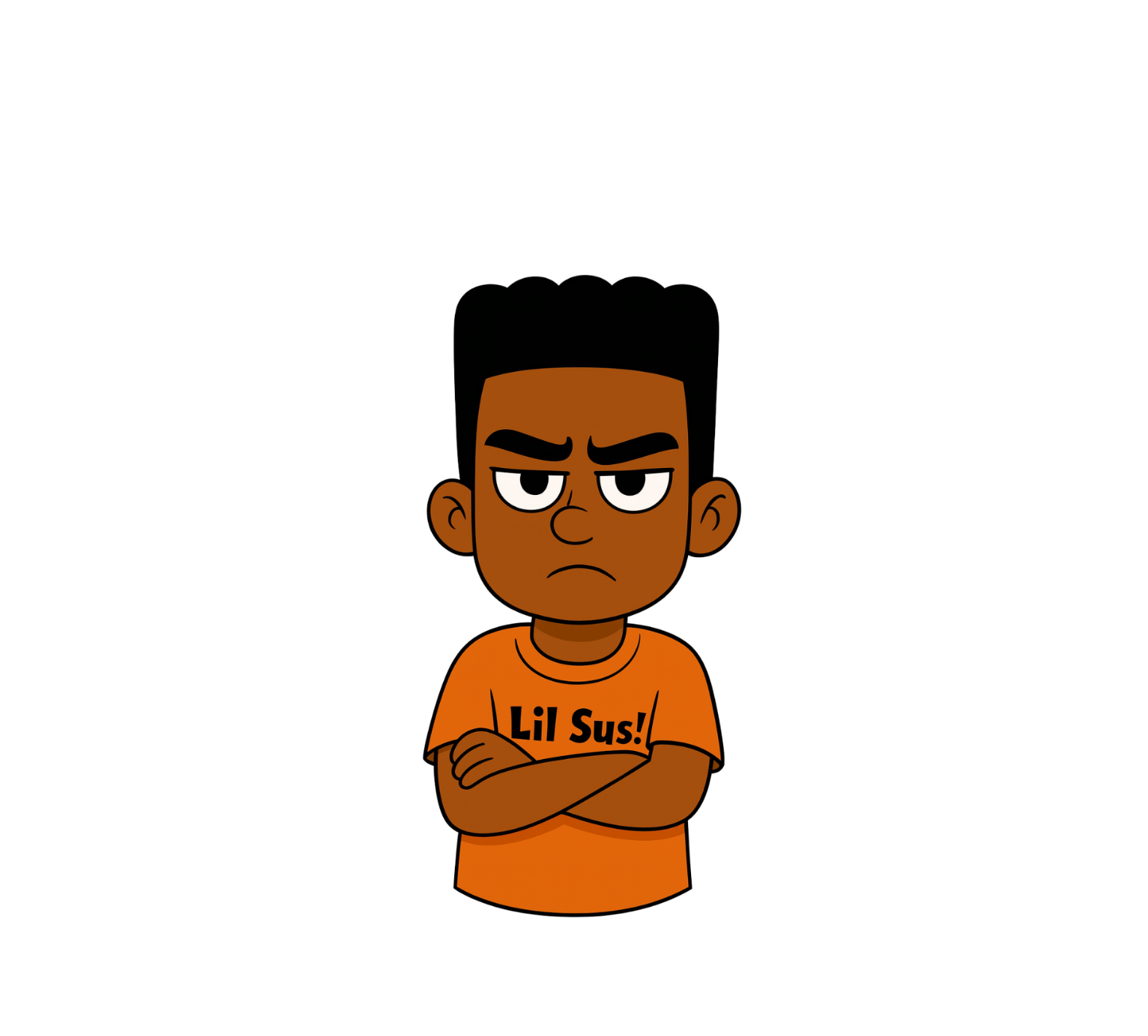
You check your email. Subject line: "Concern Regarding Your Recent Submission."
Your stomach drops.
Turnitin flagged your essay. 67% AI content.
You didn't touch ChatGPT. You wrote it yourself. You stayed up till 2am finishing that conclusion. Your citations are perfect. Your bibliography is formatted. You did everything right.
But the algorithm doesn't know that. It doesn't care.
Here's why
1. The "Boring" Math: Perplexity & Burstiness
AI detectors don't "read" your ideas. They calculate predictability.
Perplexity: How "surprised" the bot is by your word choices. If you use the exact word it expects next, your perplexity is low. Low = "AI-like."
Burstiness: Sentence structure. Humans write in bursts — long sentences followed by short, punchy ones. AI is more uniform.
The trap: If you've been taught to write "clearly and concisely," you're literally training yourself to have low perplexity. You're being penalized for being a good student.
Your teacher says: "Write with clarity and structure."
The detector says: "That's AI writing."
You lose either way.
2. The ESL Tax
If English isn't your first language, the deck is stacked against you.
Studies show non-native English speakers are flagged at 2-3x higher rates than native speakers.
Why? Because when you're writing in a second language, you use more formal, standard grammatical structures. To a detector trained on English text, "standard English" looks like "AI English."
Your hard work learning English is being used as evidence against you.
3. The Rubric Paradox
Your professor gave you a rubric: Introduction. Thesis. Three body paragraphs. Conclusion.
Guess what AI was trained on? Millions of essays with that exact structure.
When you follow your professor's instructions to the letter, you're following the same blueprint the detector was trained to recognize.
You did exactly what you were asked to do. And got punished for it.
4. "Polishing" Is Now a Crime
You spent 20 minutes on one paragraph because you wanted it to flow. You rewrote that opening sentence five times until it sounded perfect. You used a grammar checker to catch awkward phrasing.
Here's the irony: The more you revise your work to make it professional, the more "robotic" it looks to the detector. Revision removes the messy, natural "noise" that detectors use to identify humans.
You're being penalized for caring about your grade.
5. The Real Problem: These Aren't Detectors
They're probability engines trained on data that includes AI text and human essays that sound similar.
They can't tell the difference between "clear writing" and "AI writing" because both are structured. Both are polished. Both follow patterns.
So they flag the structure. Penalize the polish. Punish the good students.
f you're reading this thinking "that won't happen to me" — 75 million students thought the same thing last month. Until it did.
The Truth
Getting flagged isn't a reflection of your integrity. It's a reflection of how broken these tools are.
You didn't cheat. The system lied. And now you have to prove it.
Your Move
Before you hit submit, do one thing: Check your Sus Score.
It takes 2 minutes. It's free. It could save your GPA.
See exactly which sentences are tripping the alarm. Identify the "too perfect" phrases that detectors hate. Fix them on your own terms. Then submit knowing you're safe.